

We also do this for hire
Encyclopedias, long-form books, investigative reporting, light SaaS, AI-assisted content — the same workshop, paid work instead of our own.
Knowledge tools for real communities
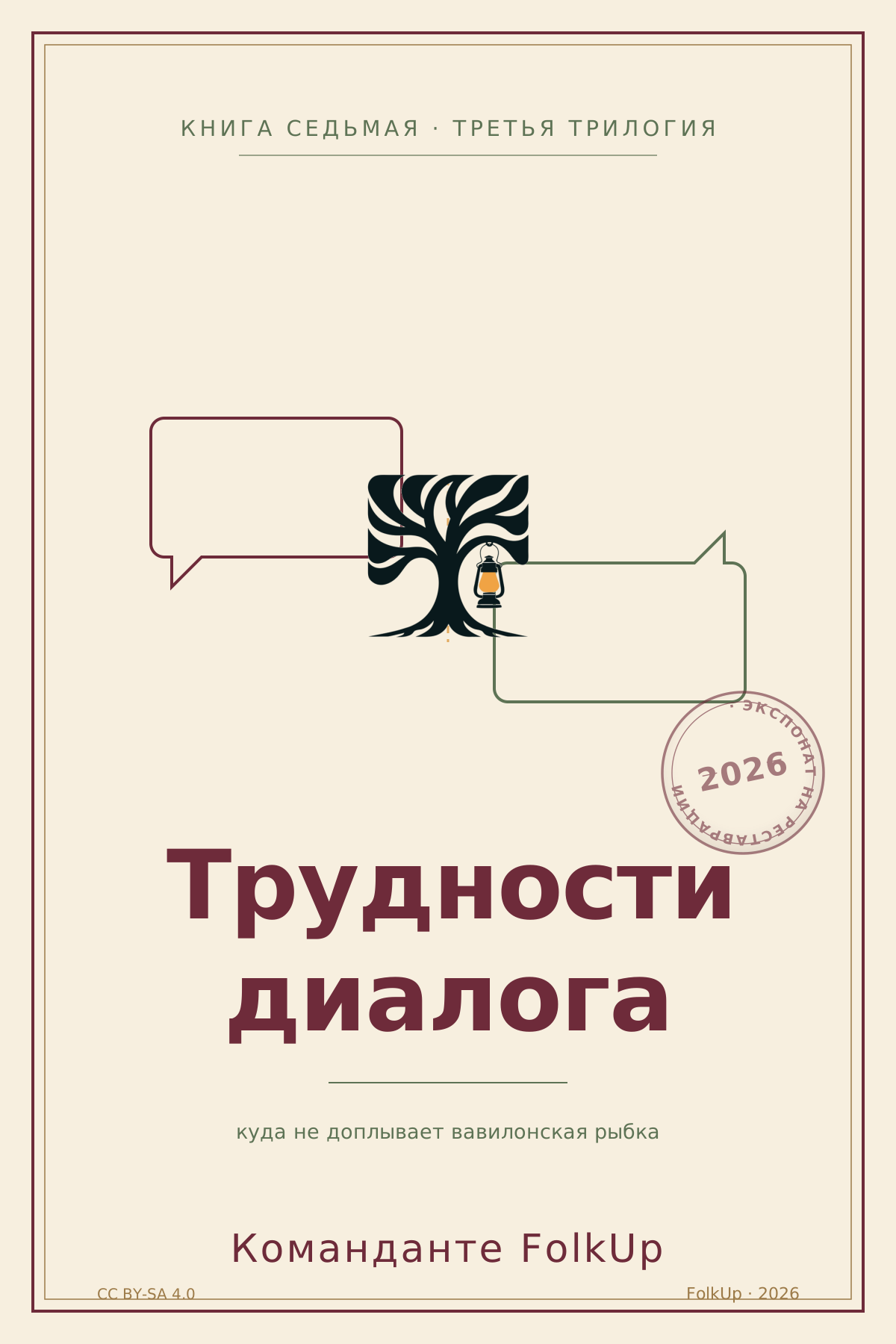
Seven encyclopedias. Three books. One person and a team of AI fornits.
We started with one encyclopedia about a small London neighborhood. Then padel. Then mushrooms in Portugal. Then a whole city. Seven projects later, we understood: this isn't about topics. It's about building knowledge tools that belong to the people who use them. No investors, no algorithms, no paywalls. The lantern burns, the roots hold.
Every article, every translation, every update. No subscriptions, no premium tiers, no 'sign up to continue reading'. The whole library, front door open.
We'd rather have 50 solid articles than 500 thin ones. Each piece gets checked, sourced, and written in a way that respects your time.
Five people, zero investors. We write because the subject matters to us — not because someone's paying for clicks.
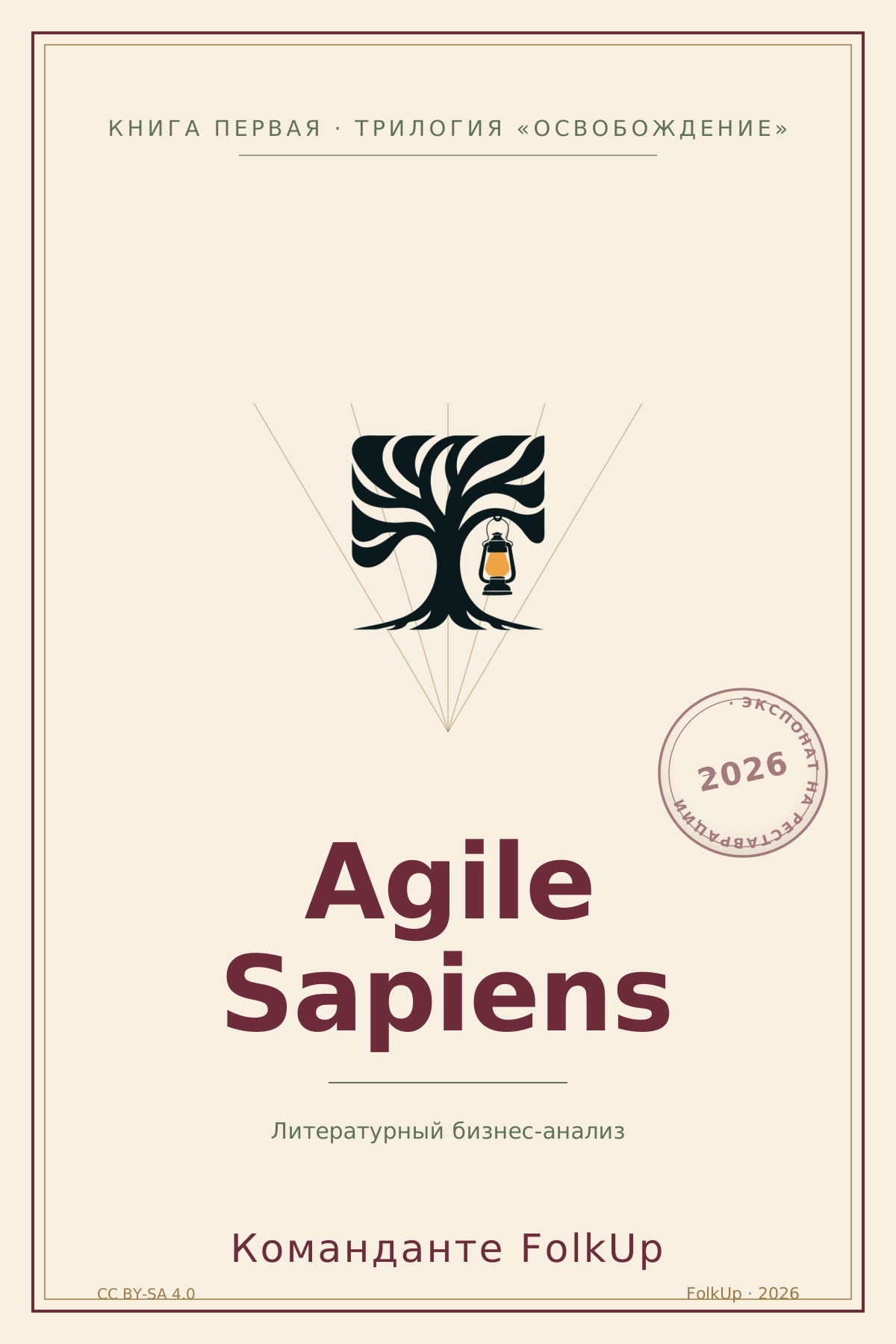
Twenty-five years of building software, told as a field guide rather than a manifesto. Why teams keep rediscovering the same handful of truths.
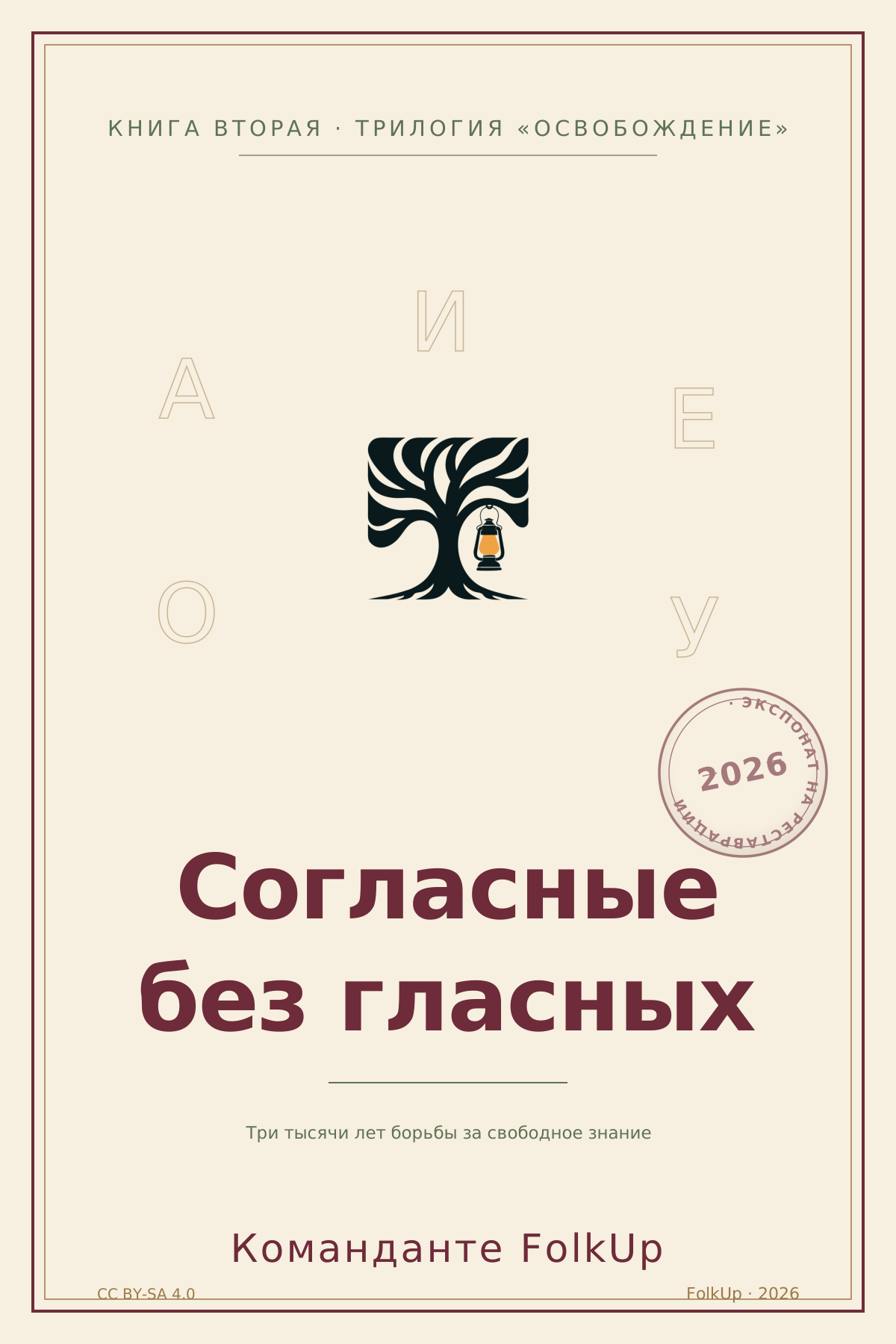
Reading nowA detective story about what we leave out — in code, in language, in the things we ship.
ComingCampanella sketched a utopia in 1602. We picked up his blueprint and asked what it costs to actually build one.
ComingThe EU AI Act says systems must tell you when you're talking to an AI. The law is for adults; the conversation isn't. The Declaration Guide reads the rule like a teenager actually would — without condescension, without the corporate gloss — so the people growing up inside this stuff can name what they're looking at.
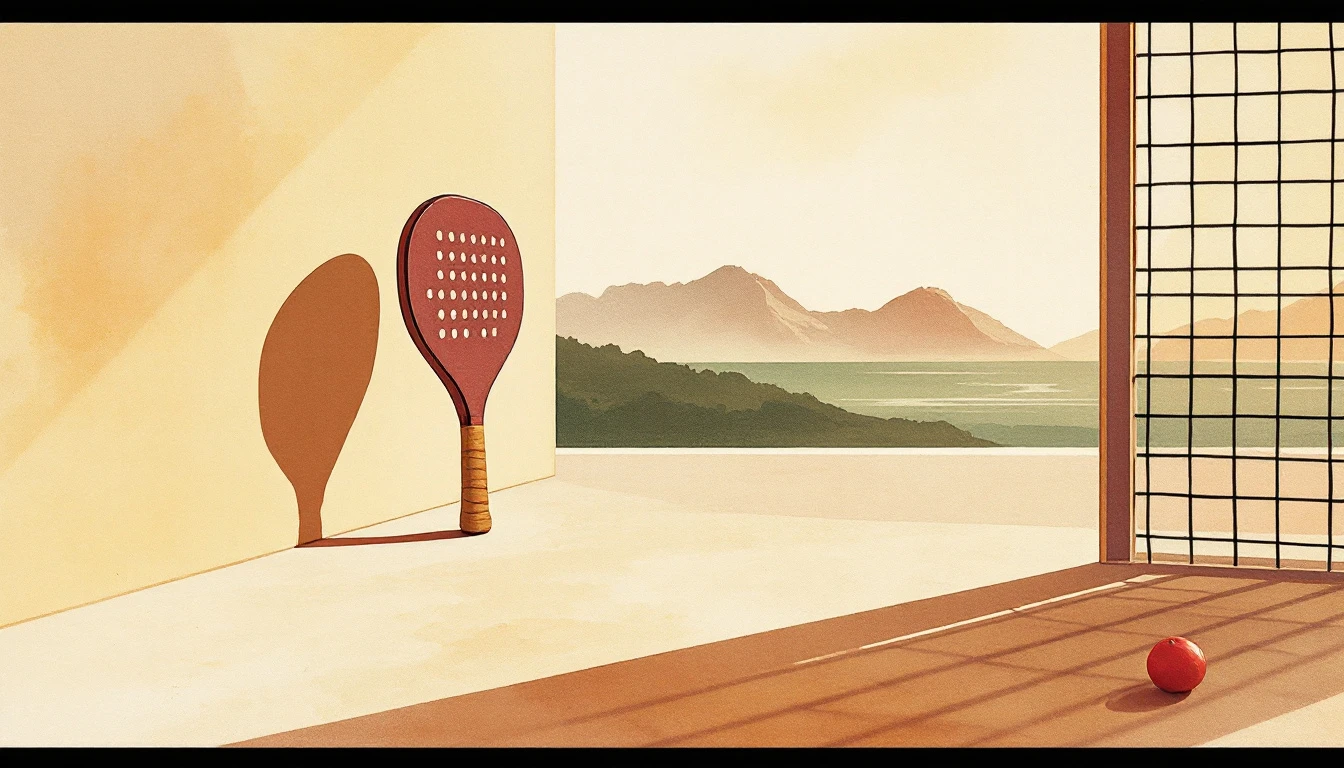
Read the guideThe fastest-growing racket sport in the world. Rules, technique, courts, gear, tournaments — all in one place, in three languages.
A Portuguese city where the mountains meet the sea. Markets, routes, restaurants, history — written by people who actually walk the streets.
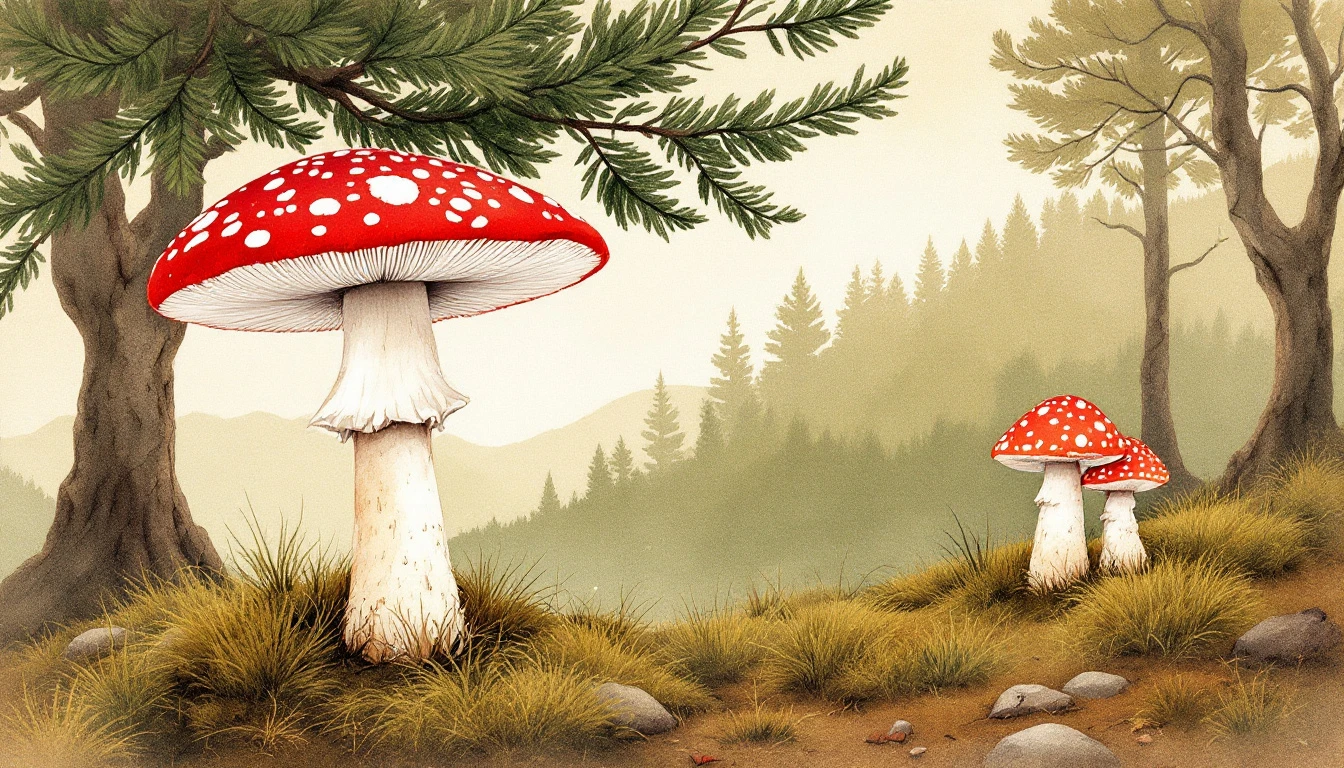
Portuguese mushrooms. Which ones to eat, which ones to photograph from a safe distance. Every species verified, every warning real.
Tarot as history, art, and cultural artifact. Decks, symbolism, schools of thought. Not fortune-telling — understanding.
The encyclopedias are wide and fast. Pro Lab is narrow and slow. It's where a question gets months instead of weeks, sources get checked twice, and the finished piece reads more like a small book than a wiki entry. Closer to CERN's preprints than to a magazine.
Lucerna — Latin for lamp — is the first Pro Lab project. A standing investigation, updated when there's something worth lighting up, not on a content calendar.
Visit LucernaEvery article has a status: verified, partially verified, or unverified. Sources listed. Confidence rated. No guessing.
Two to three languages per encyclopedia. Not machine translation — real editorial work in each language.
Mushroom toxicity warnings. Medication interactions. Allergen alerts. When content can hurt, we mark it clearly.
Push to publish. Branded emails on new releases. Status monitoring. The boring stuff that keeps a library running.
GDPR, security headers, WCAG accessibility, cookie consent. Not because we have to — because the library should be safe for everyone who walks in.
The fornits who keep the light on — Stephen King’s name for spirit-helpers living in writers’ typewriters; we borrowed it for our AI workers
Jumps down the rabbit hole with a lantern. Always comes back with something.
Goes into the Zone for artifacts. Verifies everything twice, trusts nothing once.
Sees patterns where others see noise. The owls are not what they seem.
You don't see him, but without him it's dark. Tends the light, keeps the warmth.
Walls and locks of the library. Every door open, every lock in place.
Encyclopedias, long-form books, investigative reporting, light SaaS, AI-assisted content — the same workshop, paid work instead of our own.
The tools we build to run our own sites sit on GitHub under FolkUp. If you want to see how the lamp is wired, that's where the wiring is.